
Timely Tips
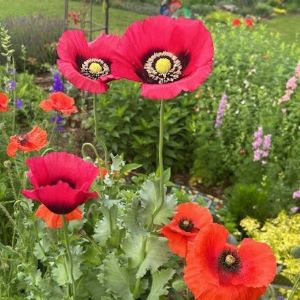
April Garden Tips
April showers bring May flowers. Finally, it’s time to plant warm-season vegetables and flowers. But keep an eye on the weather forecast for late cold spells that sometimes show up.
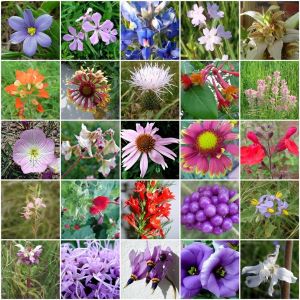
Year-Round Color
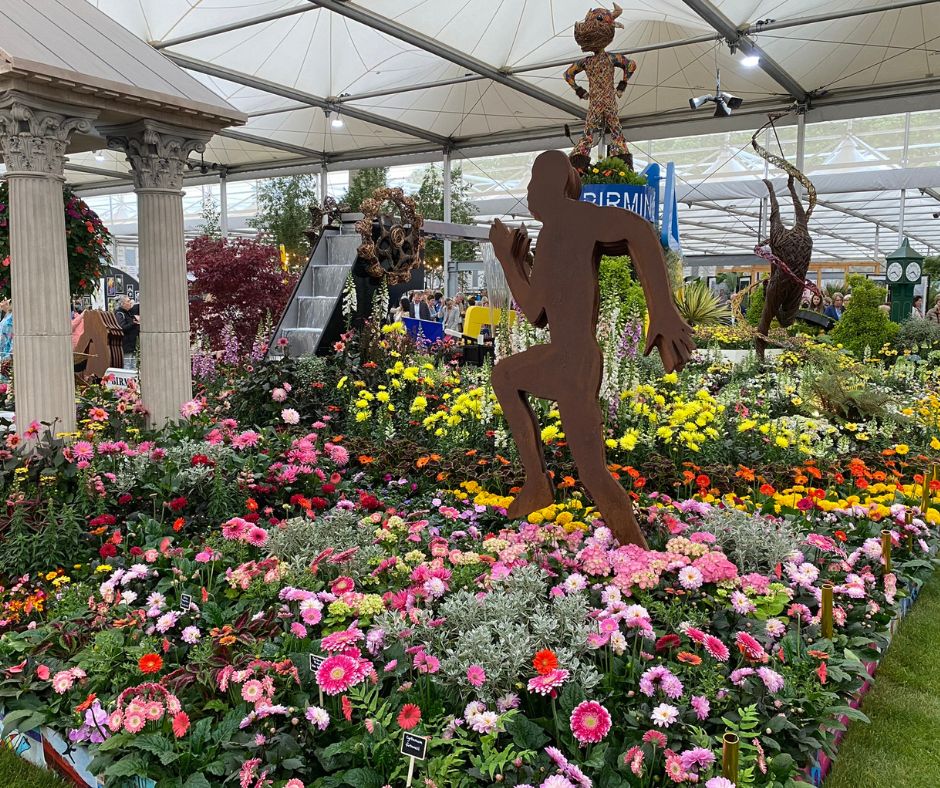
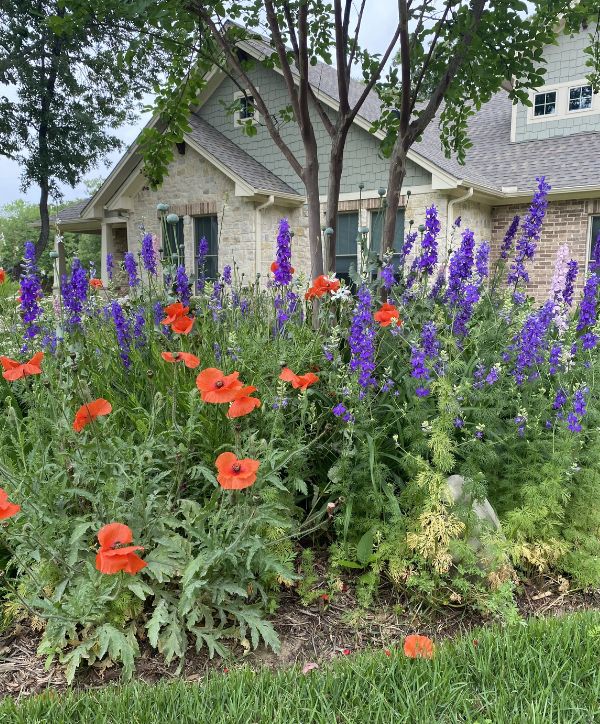
Check out the monthly plant list for year-round color. Learn about the reason for using a plant, aesthetics qualities, growing conditions, maintenance needs, and reduce environmental inputs.
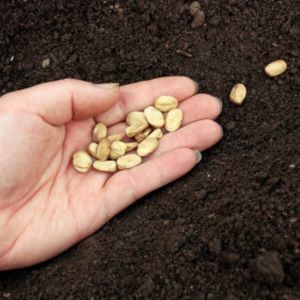
Time To Plant
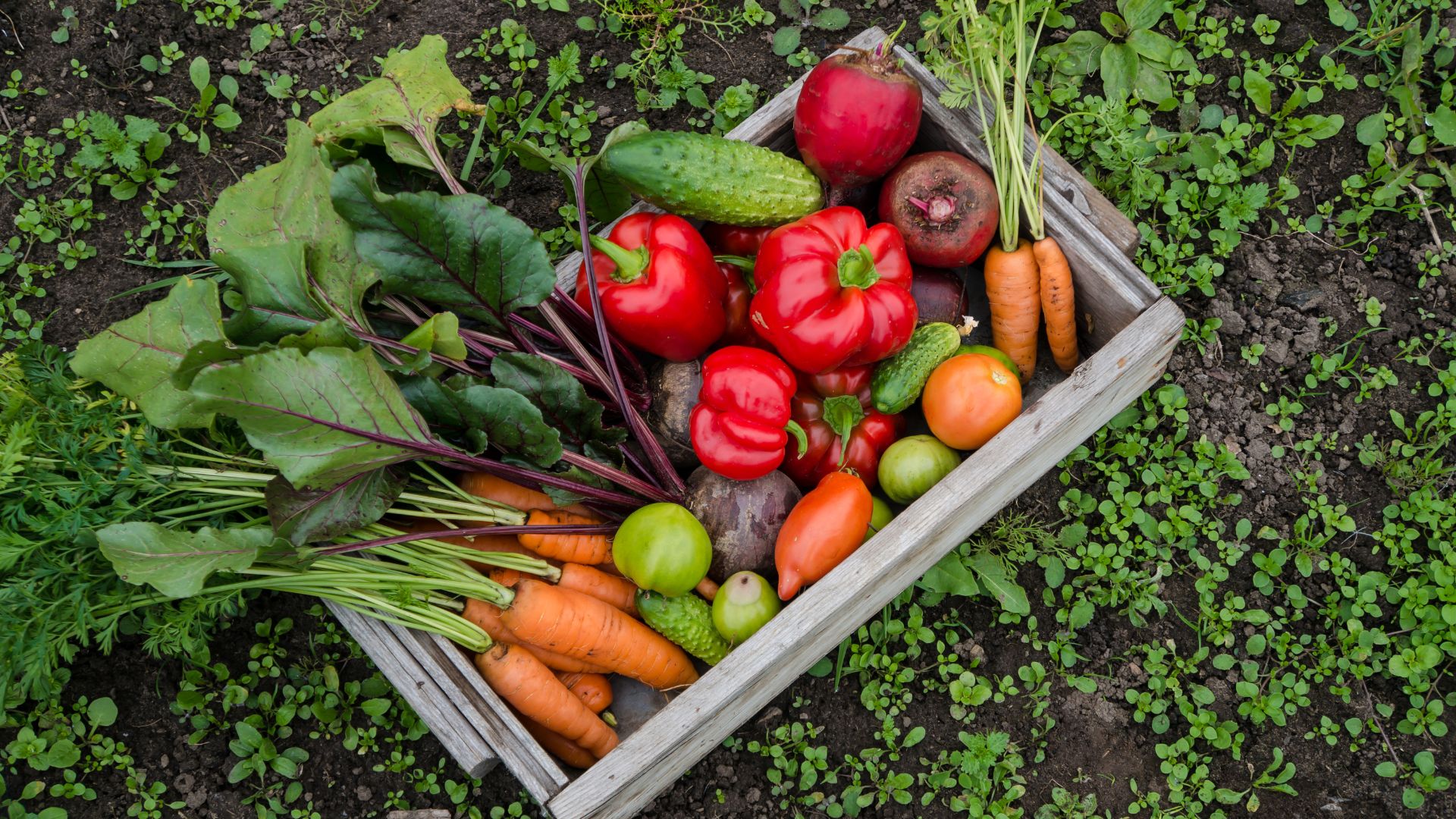
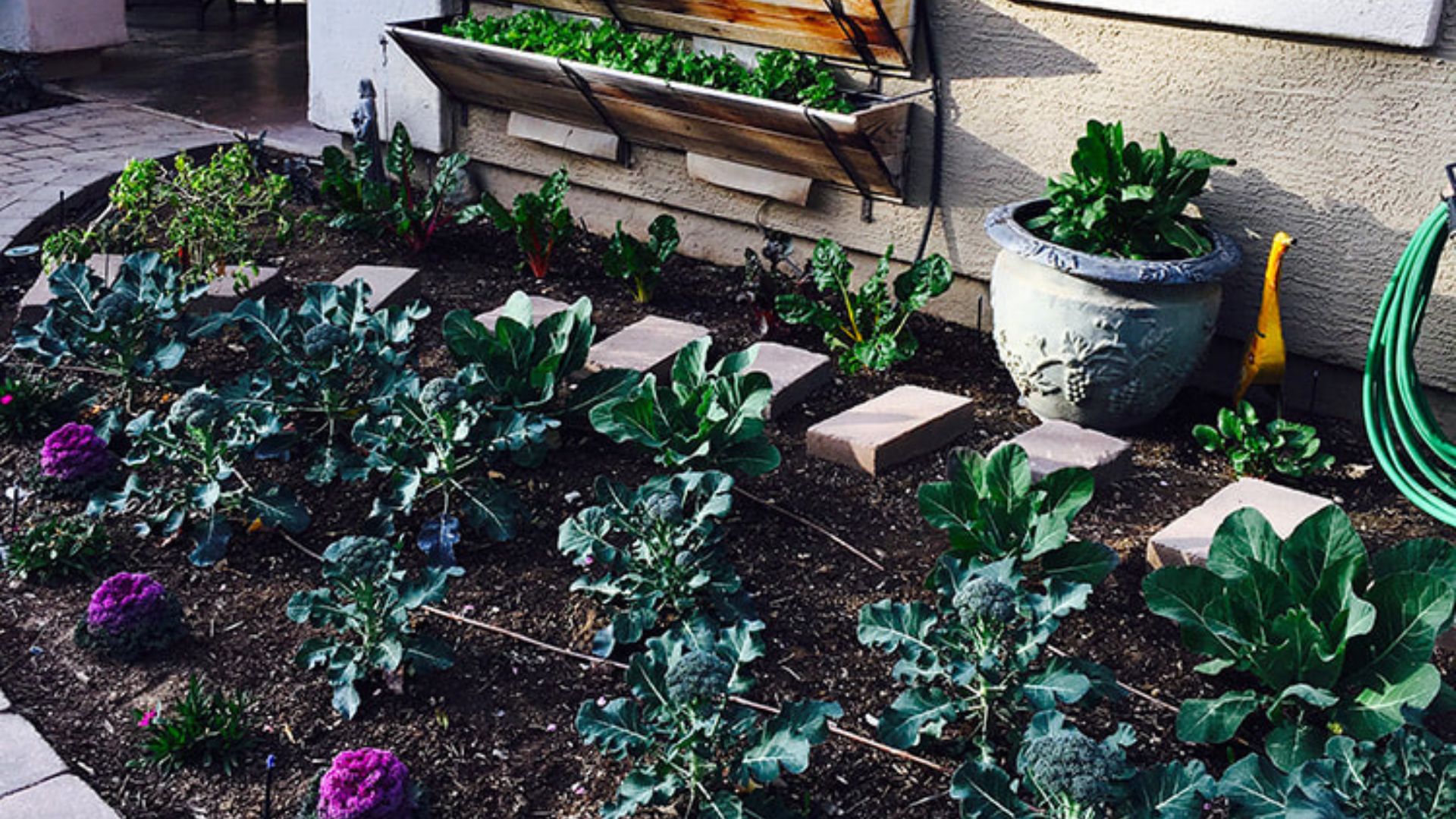
Planting the home vegetable garden is one of the most enjoyable phases of gardening, especially when watching a planted seed sprout and begin to grow.
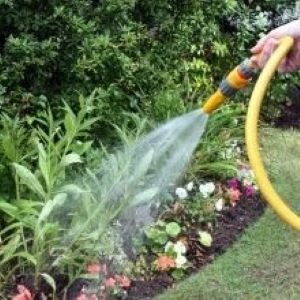
Wise Landscape Watering
With Texas population increases and global warming, learn about the many gardening practices that help conserve Texas water resources.
Gardening Basics
1. Plan and Prepare
Let us take you on an exciting gardening journey. Learn from Master Gardener experts how to design and prepare gardens and landscapes full of beauty and interest. Let us help you create a beautiful garden!
2. Select and Grow
Need help selecting the right plants for your garden or landscape? Find Plant Facts to help you choose the right plants for the right spots in your landscape. You’ll find it here whether you love flowers, edibles, trees, or native plants!
3. Maintain and Solve Problems
Keep your outdoor spaces beautiful and edible harvests bountiful. Learn how to identify and solve problems, important monthly gardening tasks, and more from Master Gardeners and gardening experts.
4. Deeper Learning
Make your Green Thumb a little greener. Our monthly magazine The Root offers in-depth gardening articles and tips. View our videos and peruse our how-to guides to deepen your gardening knowledge.
How We Serve
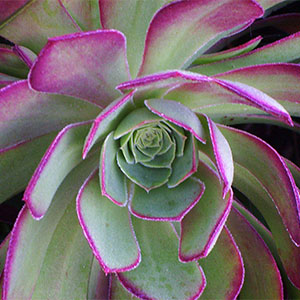
Expert Speakers
Need a speaker for your next event? We are passionate about sharing our knowledge. Our mission is to help people understand how easy and fun it is to create healthy gardens, landscapes, and communities. We are delighted to speak to civic groups, neighborhood associations, garden clubs, and other community organizations in Denton County.
Activities for Youth
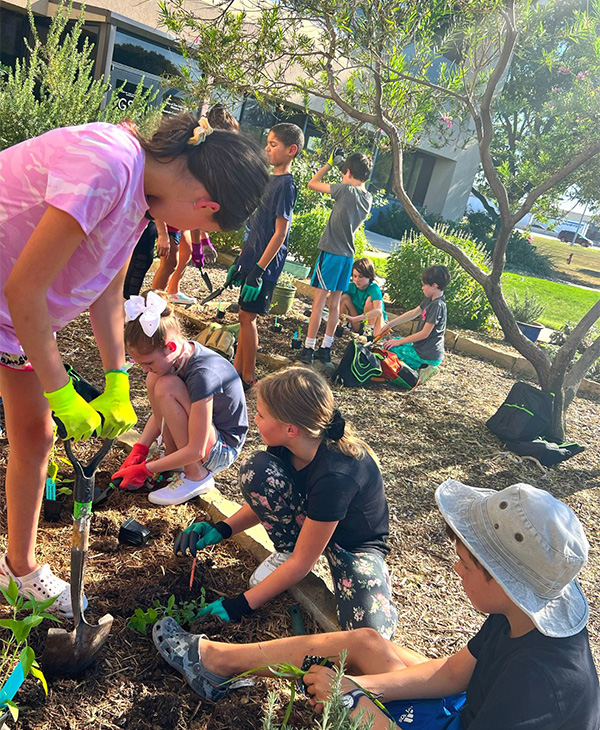
Want to add a little fascination to your child’s life or classroom? Our Science with Attitude (SWAt) and Global Gardeners curriculum covers horticultural, environmental, and wildlife topics for the school and other educational or community venues. Our partnership with Elm Fork Chapter Texas Master Naturalists, and Denton County 4 -H, make our youth programs unique.
Community Gardens, Parks, and Trails
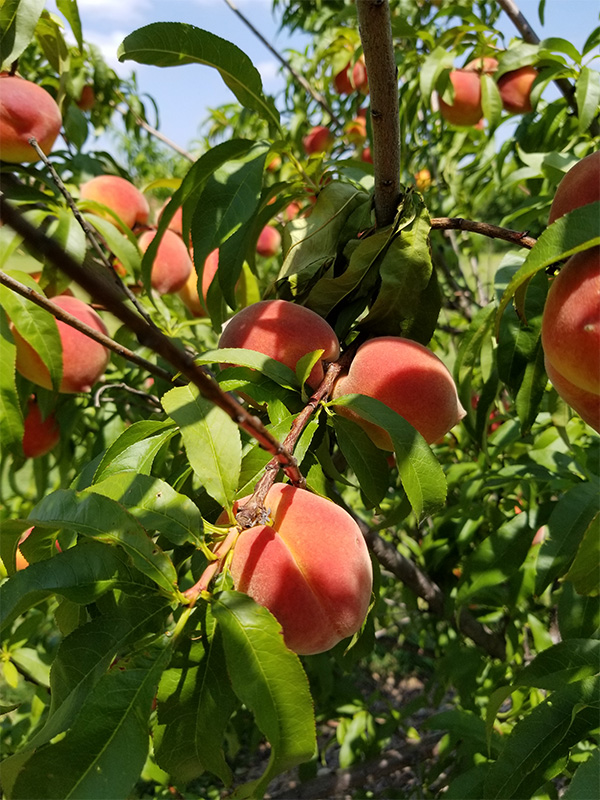
Interested in learning more about edible gardening, landscaping ideas, or nearby parks and trails? Visit one of the community gardens we support or the beautifully landscaped spaces our volunteers maintain.
Upcoming Events
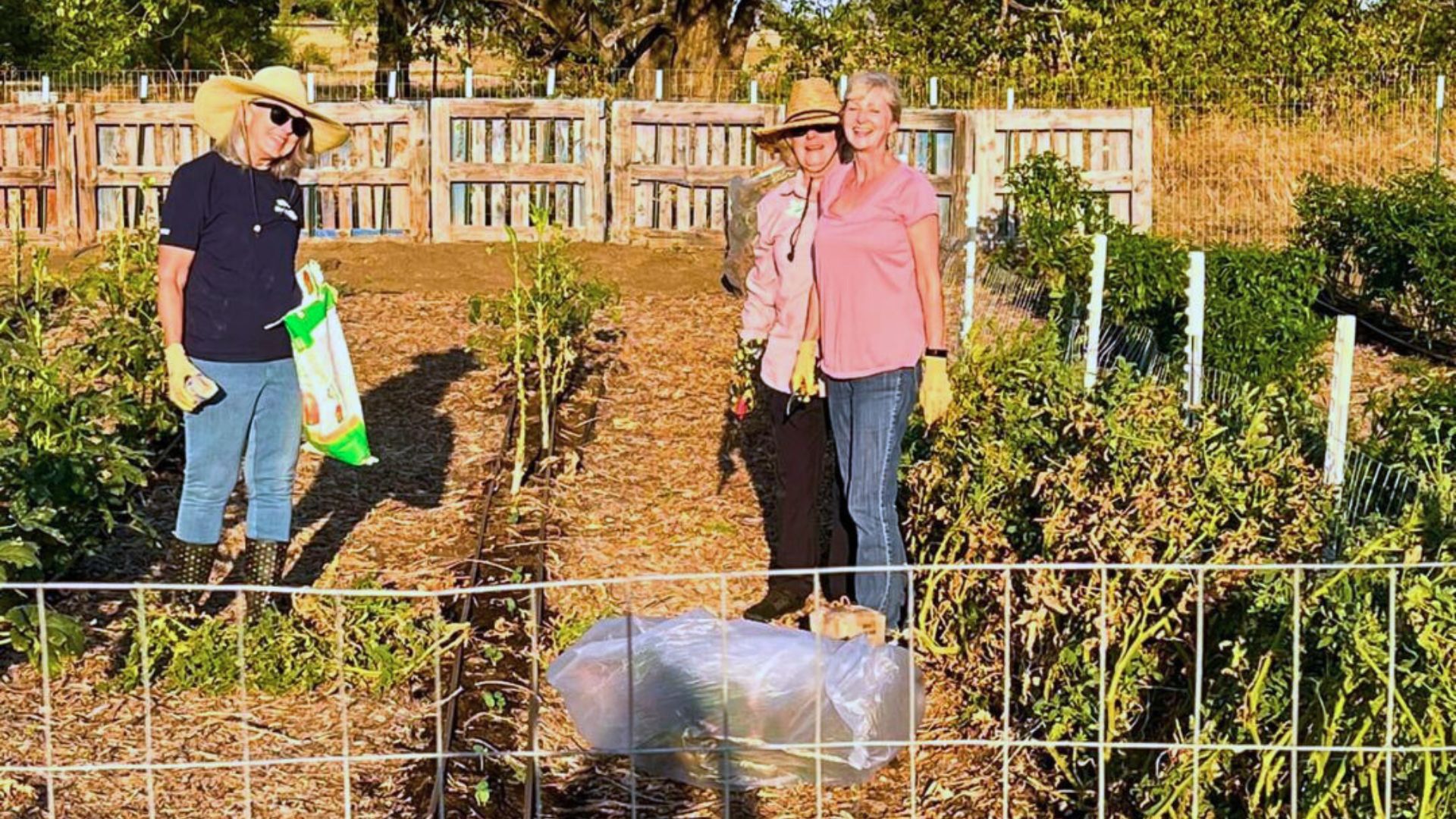
Community Strong Farm Volunteer Day
Community Strong Farm Volunteer Day
Come lend a hand at the Community Strong Farm!
Latest Videos


Sign Up for Our E-Magazine
Grow Your Skills
Conquer your landscape! Start getting our best how-to advice today. Sign up for our free monthly e-magazine, The Root. Receive expert tips, easy-to-follow plans from experienced gardeners, and learn new techniques you can put into practice right away.
A Special Thanks to Our Partners


















Learn More About Becoming a Master Gardener or Donate Today!
Grow a Greener Future
Our mission is to educate and engage Denton County residents in research-based sustainable gardening practices. Your donation to DCMGA will provide programs for adults and youth to inspire beautiful, earth-friendly gardens, landscapes, and communities.